

At Total Pest Solutions, we assist many commercial businesses when they are experiencing a pest problem and they can’t seem to find a resolution. Unfortunately, we are just as likely to encounter critters and bugs at the office as we are at home. We have provided a few easy steps you can take for commercial pest control that will keep your employees and guests a little more comfortable.
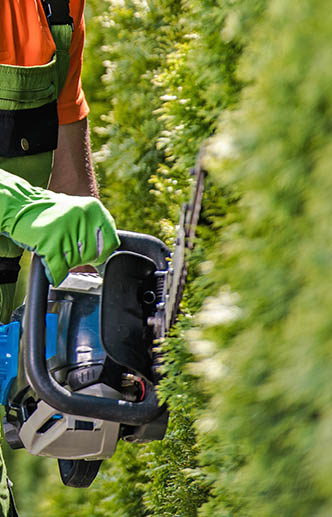
1. Lawn Care – Did you know commercial lawn care services can help you eradicate pests without you even having to do anything extra? Something as simple as properly fertilizing your lawn for weed control and having your gardens sprayed for mosquitoes will help you maintain an improved outdoor environment.
2. Keep It Clean – Pests can easily find their way indoors, especially if your office kitchen isn’t as clean as it could be or you leave trash sitting outside before it hits the dumpster. Making sure to keep your indoor office areas tidy will help to keep unwanted guests at bay.
3. No Pets Allowed – Unless your office allows service animals, it’s important to ask your employees and guests not to bring pets inside. Animals can bring in everything from ticks to fleas.
4. Professional Help – At Total Pest Solutions, we are prepared to assist with commercial pest control services both indoors and out, so you feel confident your business can welcome people and keep the bugs out. Just give us a call to schedule your next service!
continue reading
Related Posts
Mosquito season in Haines City builds fast once summer rain arrives — and waiting until July to act means you're already behind. This guide walks Polk County homeowners through a month-by-month mosquito treatment schedule so you can protect your yard before peak season hits.

Wondering what happens during a residential pest control visit in Mulberry? This guide walks Polk County homeowners through every step — from the initial inspection to treatment and follow-up — so there are no surprises on service day.

Bed bug treatment is rarely a one-visit fix. This guide explains the factors that determine treatment frequency for Lakeland homeowners, from travel habits to multi-unit housing risks, and what follow-up visits actually accomplish.