
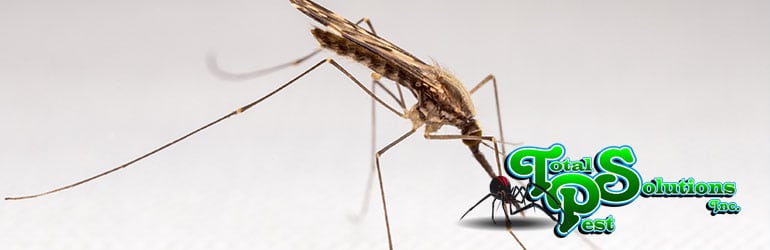
Nothing drives you back inside the house as much as a mosquito infestation around your property. These annoying bugs not only leave you with a red, itchy bump after feeding on you, but they can transmit diseases, as well. Fortunately, there is a lot you can do in regards to mosquito control.
To make your property as inhospitable as possible, limit the mosquitos’ breeding habitat. Mosquitoes require water to breed, so eliminating any standing water on your property is imperative to mosquito control. Common locations of standing water include the saucers under flower pots, pet water dishes, underneath a drain spout, ornamental pools, the bottom of trash and recycle bins, watering cans, lawn decorations and many others. A good habit to get into is to walk around your property twice a week and dump out any standing water you see. You should also watch your yard for any water that accumulates after rainstorms and doesn’t drain within a couple days. You might need to do some landscaping to prevent water buildup in your yard.
To make your property less hospitable for the adult mosquito population, keep your lawn trimmed and weeds pulled. Mosquitoes rest during the day on tall grass and weeds, so keeping these trimmed will help with mosquito control. Other than that, you mostly have to rely on insecticides for adult mosquito control. Insecticides have proven to be very beneficial at keeping the bugs at bay, though treatment needs to be repeated periodically.
Our team at Total Pest Solutions is here to help you with mosquito control around your property. Give us a call today!
continue reading
Related Posts

Mosquito season in Haines City builds fast once summer rain arrives — and waiting until July to act means you're already behind. This guide walks Polk County homeowners through a month-by-month mosquito treatment schedule so you can protect your yard before peak season hits.

Wondering what happens during a residential pest control visit in Mulberry? This guide walks Polk County homeowners through every step — from the initial inspection to treatment and follow-up — so there are no surprises on service day.

Bed bug treatment is rarely a one-visit fix. This guide explains the factors that determine treatment frequency for Lakeland homeowners, from travel habits to multi-unit housing risks, and what follow-up visits actually accomplish.