
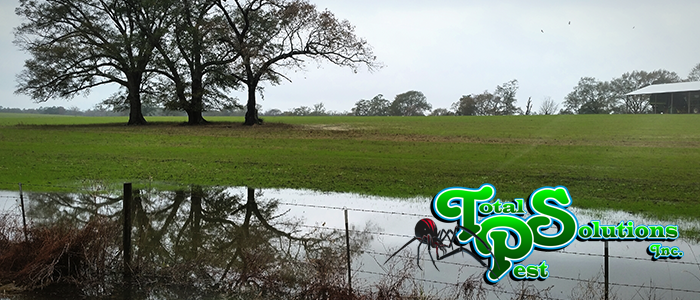
Auburndale’s Post-Storm Lawn Recovery: Addressing Flood Damage
Following a severe storm in Auburndale, Florida, one of the first casualties is often the lawn. Standing water, debris, and soil erosion can leave your yard looking devastated. Effective Post-Storm Lawn Recovery is crucial to restore your lawn’s health and prevent long-term damage. This article outlines essential steps to address flood damage and revitalize your lawn, ensuring it bounces back stronger than before. From removing debris to aerating the soil and reseeding damaged areas, we’ll guide you through the process of bringing your lawn back to its former glory. With the right techniques, your lawn can thrive, even after the most challenging weather conditions.
Assessing the Extent of Flood Damage
The first step in Post-Storm Lawn Recovery is to carefully assess the extent of the damage. Look for signs of standing water, soil erosion, debris accumulation, and plant diseases. Areas with prolonged flooding may exhibit signs of root rot or fungal growth. Note any areas where soil has been washed away, exposing roots or creating uneven surfaces. Identifying the specific issues affecting your lawn will help you tailor your recovery plan. The University of Florida IFAS Extension offers resources to help homeowners diagnose and address lawn problems after a storm.
Pay attention to any unusual odors emanating from the soil, as this could indicate anaerobic conditions caused by waterlogged soil. Check for signs of debris, such as broken branches, leaves, and other organic matter, which can smother the grass and prevent sunlight from reaching the plant. Thorough assessment sets the stage for effective recovery.
Removing Debris and Addressing Standing Water
Once you’ve assessed the damage, begin by removing any debris from your lawn. This includes branches, leaves, rocks, and other objects that may have been carried in by the storm. Wear gloves and protective clothing to avoid contact with potentially hazardous materials. Next, address any areas with standing water. If the water is not draining naturally, consider using a pump to remove it. Prolonged standing water can suffocate the grass and create an environment conducive to disease.
Improving drainage is crucial for Post-Storm Lawn Recovery. Aerating the soil can help to improve water infiltration and reduce compaction. Use a core aerator to create small holes in the soil, allowing air and water to reach the roots. This will promote healthy root growth and improve the overall health of your lawn.
Soil Amendment and Fertilization
Floodwaters can often strip the soil of essential nutrients, leaving your lawn depleted and unable to recover properly. Amending the soil with organic matter, such as compost or peat moss, can help to restore its fertility and improve its structure. Apply a layer of compost to the affected areas and gently work it into the soil. This will help to replenish nutrients and improve drainage. Soil testing is important, and Harden Park Lawns stress that a new lawn can protect against soil loss.
Consider applying a slow-release fertilizer to provide your lawn with the nutrients it needs to recover. Choose a fertilizer that is specifically formulated for your grass type and follow the manufacturer’s instructions carefully. Avoid over-fertilizing, as this can damage the grass and create other problems. A balanced approach to nutrient management is key to successful Post-Storm Lawn Recovery.
Reseeding or Overseeding Damaged Areas
In areas where the grass has been severely damaged or washed away, reseeding or overseeding may be necessary. Choose a grass seed that is well-suited to the local climate and soil conditions. Prepare the soil by loosening it with a rake and removing any debris. Spread the seed evenly over the affected areas and lightly cover it with soil. Water the newly seeded areas regularly, keeping the soil moist but not saturated.
Overseeding involves spreading grass seed over an existing lawn to thicken it and improve its overall appearance. This can be particularly beneficial in areas where the grass has thinned out due to flood damage. Follow the same steps as reseeding, but use a lighter application rate. Consistent watering and proper fertilization will help the new grass to establish and blend in with the existing lawn, ensuring complete Post-Storm Lawn Recovery.
Preventing Disease and Pest Infestations
Flood conditions can create an environment that is conducive to disease and pest infestations. Monitor your lawn closely for signs of fungal diseases, such as brown patch or dollar spot. Treat any affected areas with a fungicide, following the manufacturer’s instructions carefully. Also, be on the lookout for pests, such as grubs or chinch bugs, which can damage the grass roots. Apply an insecticide if necessary, but use caution and follow all safety precautions.
Proper lawn care practices, such as mowing at the correct height and watering deeply but infrequently, can help to prevent disease and pest problems. A healthy, well-maintained lawn is more resistant to stress and better able to withstand the challenges of Post-Storm Lawn Recovery. This is especially true in Auburndale, where humidity can exacerbate disease issues.
Conclusion: Restoring Beauty in the Face of Adversity
Post-Storm Lawn Recovery in Auburndale requires a comprehensive approach that addresses the specific challenges posed by flood damage. By assessing the damage, removing debris, improving drainage, amending the soil, reseeding damaged areas, and preventing disease and pest infestations, you can restore your lawn to its former glory. Remember to be patient and persistent, as it may take time for your lawn to fully recover.
With the right care and attention, your lawn can not only recover but also thrive after a storm. Contact Total Pest Solutions for expert lawn care services and assistance with Post-Storm Lawn Recovery. Let us help you bring back the beauty and health of your lawn!
continue reading
Related Posts

Winter Lawn Care Tips: Keep Your Auburndale Lawn Luscious All

Winter Palm Care in Lakeland: Cold Snap Protection Strategies Lakeland,

Davenport’s Spider Invasion: Managing Winter Web Builders As the temperature