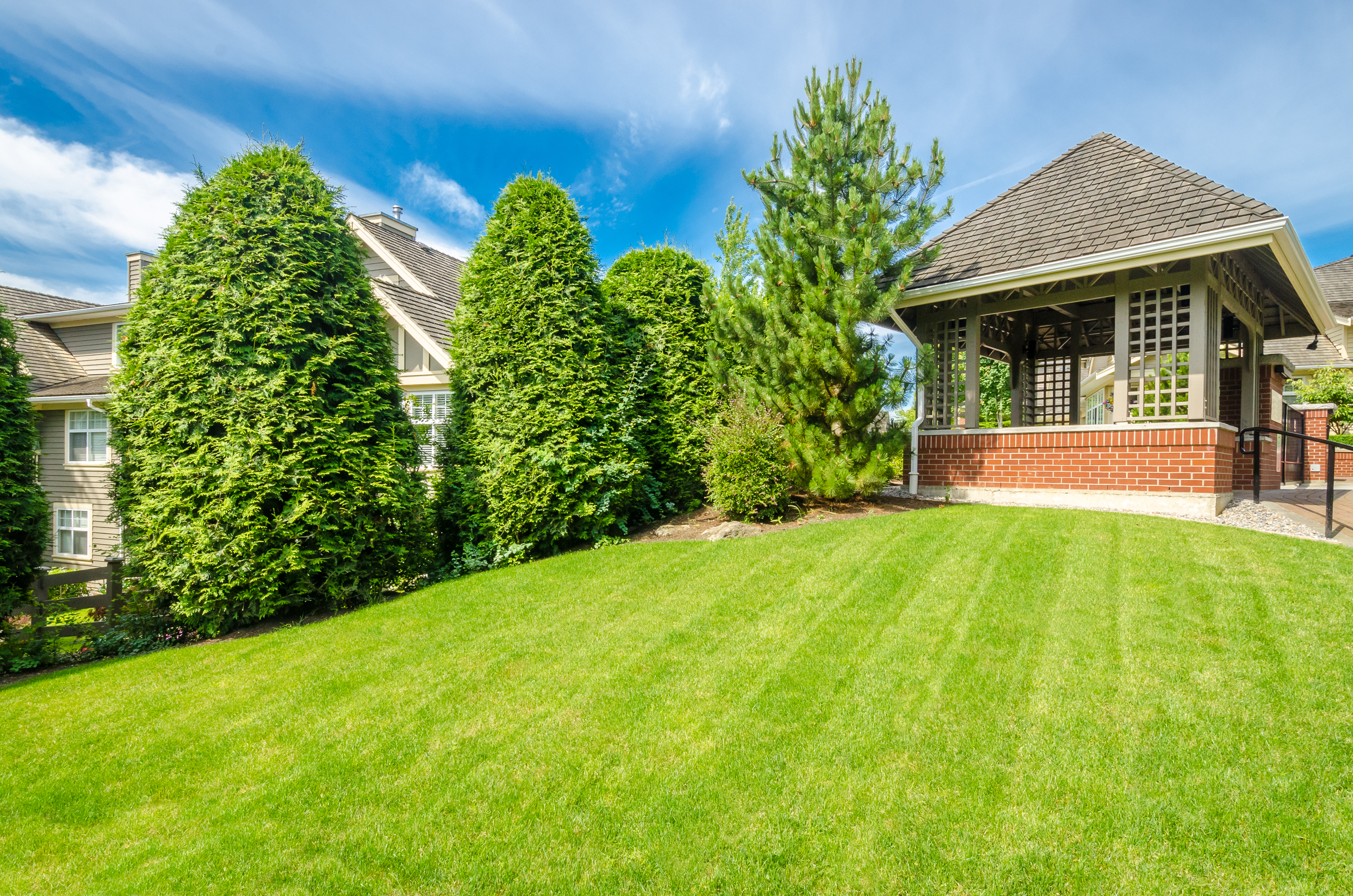
If you’ve walked your Lakeland lawn lately and noticed dollar weed creeping across your St. Augustine or a patchwork of weeds taking over your Bahia grass, you’re not alone. Florida’s warm, humid climate keeps weeds growing almost year-round. That leaves homeowners weighing a familiar question: grab something off the shelf at the hardware store, or call in a professional? Both options have their place, but understanding the real differences helps you make a smarter choice for your specific lawn.
Why Florida Lawns Face Constant Weed Pressure
Lakeland sits squarely in Central Florida’s subtropical zone, where the growing season never fully stops. Weeds germinate in the spring, push hard through summer rains, and many cool-season varieties fill in during fall and winter. Unlike lawns in northern states that get a cold-weather reset, Florida lawns deal with overlapping weed cycles all year.
St. Augustine and Bahia are the two most common lawn grasses in Polk County. Both are tough, but they respond differently to herbicides and have different weed vulnerabilities. St. Augustine is a dense, spreading grass that chokes out some weeds on its own when healthy, but it’s sensitive to certain herbicide ingredients. Bahia is more drought-tolerant but tends to thin over time and let opportunistic weeds take hold. Knowing which grass you have changes which products are even safe to use.
What DIY Weed Sprays Can Do Well
Store-bought weed control products have improved over the years. For a homeowner dealing with a small, isolated patch of weeds, a targeted spot treatment can be effective. Products labeled for St. Augustine or Bahia lawns are widely available, and following label directions carefully can knock back broadleaf weeds like dollar weed, clover, and Virginia buttonweed without harming the turf.
DIY treatments also offer flexibility. You can treat on your schedule, and for minor weed problems caught early, a consumer-grade product applied correctly will often get the job done.
Where DIY Approaches Fall Short
The challenges stack up quickly once weed pressure is anything beyond minor. Here are some of the most common limitations:
- Product selection is complicated. Not every herbicide is safe on every grass type. Using the wrong product on St. Augustine can cause yellow patches or significant turf damage. Labels are long and technical, and mistakes are easy to make.
- Timing is critical. Pre-emergent herbicides need to be applied before weed seeds germinate. If you miss that window, pre-emergents won’t work on existing weeds. Most homeowners apply them too late or skip them entirely.
- One application rarely solves the problem. A single spray may kill what you can see, but weed seeds in the soil germinate in waves. Without follow-up treatments on a consistent schedule, weeds return within weeks.
- Mixing rates matter. Too little product and you won’t get control. Too much and you risk turf damage or runoff. Consumer sprayers don’t always deliver even coverage across a full lawn.
For lawn weed treatment in Florida, timing and product choice are where most DIY efforts break down. A treatment applied at the wrong growth stage often does very little, even if the product itself is the right one.
What Consistent Professional Lawn Spraying Provides
Professional lawn spraying isn’t just about stronger products. It’s about a system. A trained technician evaluates your specific grass type, identifies which weeds are present, and selects the right combination of pre-emergent and post-emergent treatments for what’s actually growing in your yard.
For Lakeland homeowners with St. Augustine or Bahia grass, that means treatments calibrated to protect the turf while targeting the weeds. It also means scheduled return visits that align with Florida’s weed cycles — not just one treatment and done. Weeds come back in stages, and consistent professional lawn spraying interrupts those cycles before they get ahead of the turf.
Pre-Emergent vs. Post-Emergent: Why Both Matter
Pre-emergent herbicides create a chemical barrier in the soil that prevents weed seeds from germinating. Post-emergent products target weeds that are already growing. Effective weed control in Florida depends on using both at the right times. Professionals track application timing based on soil temperature and seasonal patterns rather than guessing, which makes a meaningful difference in results.
Lawn Health and Weed Control Go Together
A thin, stressed lawn invites weeds. Bare patches from insect damage, improper mowing height, or drought stress are open invitations for weed seeds to take hold. A professional program looks at the full picture — not just the weeds themselves. Improving turf density over time is one of the best long-term defenses against a recurring weed problem. You can explore the full range of lawn care services that support overall turf health alongside weed management.
Bahia Grass Weeds: A Specific Challenge
Bahia grass weeds deserve their own mention because this grass type presents some unique issues. Bahia tends to develop a coarser texture over time and can thin in shaded areas or where soil compaction is a problem. Common invaders include crabgrass, chamberbitter, and various sedges. Sedges in particular — nutsedge being the most common — are not true broadleaf weeds and require specific herbicide chemistry to control effectively. Many general-purpose consumer products won’t touch them.
Misidentifying a sedge as a broadleaf weed and applying the wrong product wastes time and may stress the surrounding turf. This is one of the clearest cases where professional identification pays off.
When DIY Makes Sense vs. When to Call a Pro
DIY weed control makes sense for small areas, specific spot treatments, or when you have experience with Florida lawn care and know your grass type well. It can also be a reasonable in-between step to manage weeds while you evaluate longer-term options.
Professional weed control in Lakeland, FL makes more sense when weeds are widespread, when they keep returning despite repeated treatments, when you’re unsure what grass type you have or which products are safe to use, or when you want consistent results without managing the schedule yourself. For most Lakeland homeowners dealing with recurring weed problems, a professional program simply delivers more reliable outcomes over time.
Total Pest Solutions has been serving Polk County since 2006, and the team understands the specific weed challenges that come with Central Florida’s climate and soil conditions. If you’re curious about what a structured approach looks like for your lawn, our weed control services page covers the details.
Tips for Homeowners Who Choose the DIY Route
If you decide to handle weed control yourself, a few practices will improve your results:
- Identify your grass type before purchasing any product.
- Read the entire product label, including the list of grasses it’s safe to use on.
- Apply pre-emergent treatments in late winter and early fall to get ahead of germination cycles.
- Water your lawn appropriately after treatment — too much water too soon can dilute or wash away the product.
- Plan for multiple applications, not just one.
- Check out our lawn care tips for additional guidance on maintaining healthy Florida turf.
The Bottom Line for Lakeland Lawns
Weed control in Florida is not a one-time event. The climate, the grass types, and the sheer variety of weed species make it an ongoing process. DIY products can play a role, but they work best when the problem is small and caught early. For persistent, widespread weed pressure — which is common across Lakeland and the rest of Polk County — a consistent professional program is generally the more effective approach.
If your lawn has been losing ground to weeds and you’d like to talk through your options, the team at Total Pest Solutions is happy to take a look. Give us a call at 863.585.3636.
Frequently Asked Questions
Can I use the same weed killer on St. Augustine and Bahia grass?
Not always. Some herbicides safe for Bahia grass can damage or discolor St. Augustine, and vice versa. Always check the product label to confirm it’s approved for your specific grass type before applying. If you’re unsure which grass you have, a lawn care professional can identify it and recommend the appropriate treatment options.
How often should weed control treatments be applied in Florida?
Florida’s year-round growing season means weed control is most effective on a recurring schedule rather than a single annual application. Most professional programs treat every 6 to 8 weeks, with timing adjusted by season and weed pressure. Pre-emergent treatments in late winter and early fall are especially important for getting ahead of germination cycles before weeds establish.
What are the most common weeds in Lakeland lawns?
Dollar weed, crabgrass, nutsedge, Virginia buttonweed, chamberbitter, and clover are among the most frequently seen weeds in Polk County lawns. Nutsedge is particularly persistent because it spreads through underground tubers and requires specific herbicide chemistry. Identifying the weed type accurately is an important first step toward choosing an effective control method.
Will pulling weeds by hand work in a Florida lawn?
Hand-pulling can remove individual weeds but is rarely practical for widespread infestations. Some weeds, like nutsedge, spread through underground root systems that hand-pulling doesn’t fully remove — often causing the plant to regrow. Manual removal works best as a supplement to a broader treatment program, not as a standalone approach for Florida lawn weed treatment.
Is professional weed control safe for children and pets?
Licensed lawn care professionals use products registered for residential use and follow label guidelines for re-entry intervals, which specify how long to keep people and pets off treated areas. When you schedule a professional treatment, ask the technician what the recommended wait time is for your specific application. Following those instructions keeps your family and pets safe.
Why do weeds keep coming back even after treatment?
Weed seeds can remain dormant in the soil for extended periods and germinate in waves through the season. A single treatment addresses visible weeds but doesn’t eliminate the seed bank in the soil. Consistent, scheduled treatments — especially pre-emergent applications timed to germination cycles — are what interrupt the pattern and reduce recurring weed pressure over time.
continue reading
Related Posts

Winter Lawn Care Tips: Keep Your Auburndale Lawn Luscious All
Winter Palm Care in Lakeland: Cold Snap Protection Strategies Lakeland,
Davenport’s Spider Invasion: Managing Winter Web Builders As the temperature