
Lakeland’s Pre-Spring Lawn Detox: Clearing Debris & Thatch
As winter loosens its grip on Lakeland, Florida, the anticipation for a vibrant spring lawn begins to build. Before you start seeding and fertilizing, it’s crucial to give your lawn a thorough lawn detox. This involves clearing away accumulated debris and removing thatch buildup that can suffocate your grass and hinder healthy growth. A pre-spring lawn detox sets the stage for a lush, green lawn that will thrive throughout the growing season. This article outlines the essential steps to prepare your Lakeland lawn for spring, ensuring a healthy and beautiful outdoor space. Let’s get ready to cultivate the envy of the neighborhood!
Understanding the Importance of a Lawn Detox
A lawn detox is essential because it addresses two key issues: debris accumulation and thatch buildup. Debris, such as fallen leaves, twigs, and dead grass, can block sunlight and airflow to the soil, creating a breeding ground for fungus and pests. Thatch, a layer of dead organic matter that accumulates between the grass blades and the soil surface, can similarly impede water and nutrient absorption. A healthy lawn needs adequate air and light to grow properly.
Removing these barriers allows water, nutrients, and air to penetrate the soil, promoting strong root growth and overall lawn health. Additionally, a clean lawn is less susceptible to diseases and infestations. University of Minnesota Extension offers a comprehensive guide to lawn care. Think of pre-spring prep as setting the table for a feast. Getting a good foundation helps achieve optimum results.
Clearing Debris from Your Lawn
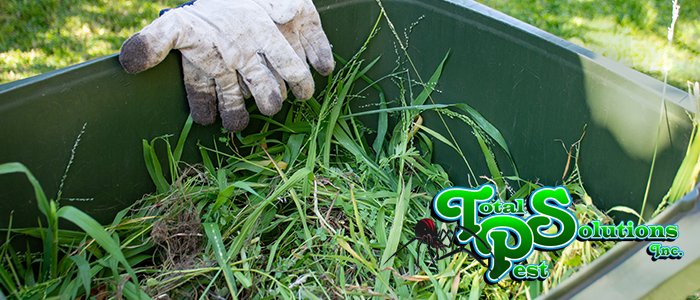
The first step in a lawn detox is to remove all debris from your Lakeland lawn. This includes raking up fallen leaves, twigs, and other organic matter. Use a leaf rake or a lawn sweeper to collect debris efficiently. Pay close attention to areas around trees, shrubs, and fences, where debris tends to accumulate. It is especially vital to clean debris to allow new root growth.
For larger debris, such as branches and pine cones, manually remove. Compost the organic debris or dispose of it properly according to local regulations. Consider using a mulching mower to chop up leaves into small pieces, which can then be left on the lawn to decompose and provide nutrients to the soil. This process not only clears debris but also enriches the soil. Lakeland’s fall brings its share of debris, and the work put in now makes for a healthier lawn in the springtime.
Thatch Removal Techniques
Thatch buildup is a common problem in Florida lawns, especially those with dense grass varieties. A thin layer of thatch (less than half an inch) can be beneficial, as it helps retain moisture and moderate soil temperature. However, excessive thatch (more than half an inch) can create problems. Dethatching the lawn is a vital step. Using dethatching techniques ensures a vibrant outdoor space by ensuring the lawn has a strong foundation.
Dethatching removes this excessive buildup, allowing water and nutrients to reach the soil. Several methods can be used to remove thatch, including:
- Raking: Use a thatching rake to manually remove thatch. This method is suitable for small lawns with moderate thatch buildup.
- Power Raking: Rent a power rake (also known as a vertical mower) to mechanically remove thatch. This method is more effective for larger lawns with heavy thatch buildup.
- Core Aeration: Use a core aerator to remove small plugs of soil and thatch from the lawn. This method not only removes thatch but also improves soil aeration and drainage.
Aerating Your Lawn for Optimal Health
Aeration is an important part of a pre-spring lawn detox. It involves creating small holes in the soil to improve air circulation, water infiltration, and nutrient absorption. Aeration is especially beneficial for compacted soils, which are common in urban areas like Polk County.
There are two main types of aeration: core aeration and spike aeration. Core aeration, which removes small plugs of soil, is generally more effective than spike aeration, which simply punches holes in the soil. Regularly aerating your lawn can improve its overall health and vigor. Pennington Seed offers resources to understand the benefits of soil aeration. Polk County’s soils can get compacted, so aeration is a worthwhile step.
Fertilizing After Lawn Detox
After completing your lawn detox, it’s time to fertilize your lawn to provide it with the nutrients it needs to thrive. Choose a fertilizer that is specifically formulated for your grass type and soil conditions. Perform a soil test to determine the nutrient levels in your soil and select a fertilizer accordingly.
Follow the manufacturer’s instructions carefully when applying fertilizer. Avoid over-fertilizing, as this can harm your lawn and pollute waterways. Consider using a slow-release fertilizer, which provides a steady supply of nutrients over time. A slow-release fertilizer works best to nourish the lawn. Proper fertilization helps make for a happy, thriving landscape.
Conclusion: Spring Forward with a Healthy Lawn
A pre-spring lawn detox is an essential step in preparing your Lakeland lawn for the growing season. By clearing debris, removing thatch, aerating the soil, and fertilizing your lawn, you can create a healthy and vibrant outdoor space that you’ll enjoy all year long. Don’t overlook this crucial task; a little effort now can yield significant results throughout the spring and summer. Contact Total Pest Solutions for expert lawn care services in Lakeland and surrounding areas!
Giving your lawn attention now will save headaches when the weather warms up. Taking the right steps for lawn detox in the spring will provide a vibrant and healthy lawn.
continue reading
Related Posts
Auburndale’s Post-Storm Lawn Recovery: Addressing Flood Damage Following a severe

Winter Lawn Care Tips: Keep Your Auburndale Lawn Luscious All

Winter Palm Care in Lakeland: Cold Snap Protection Strategies Lakeland,