
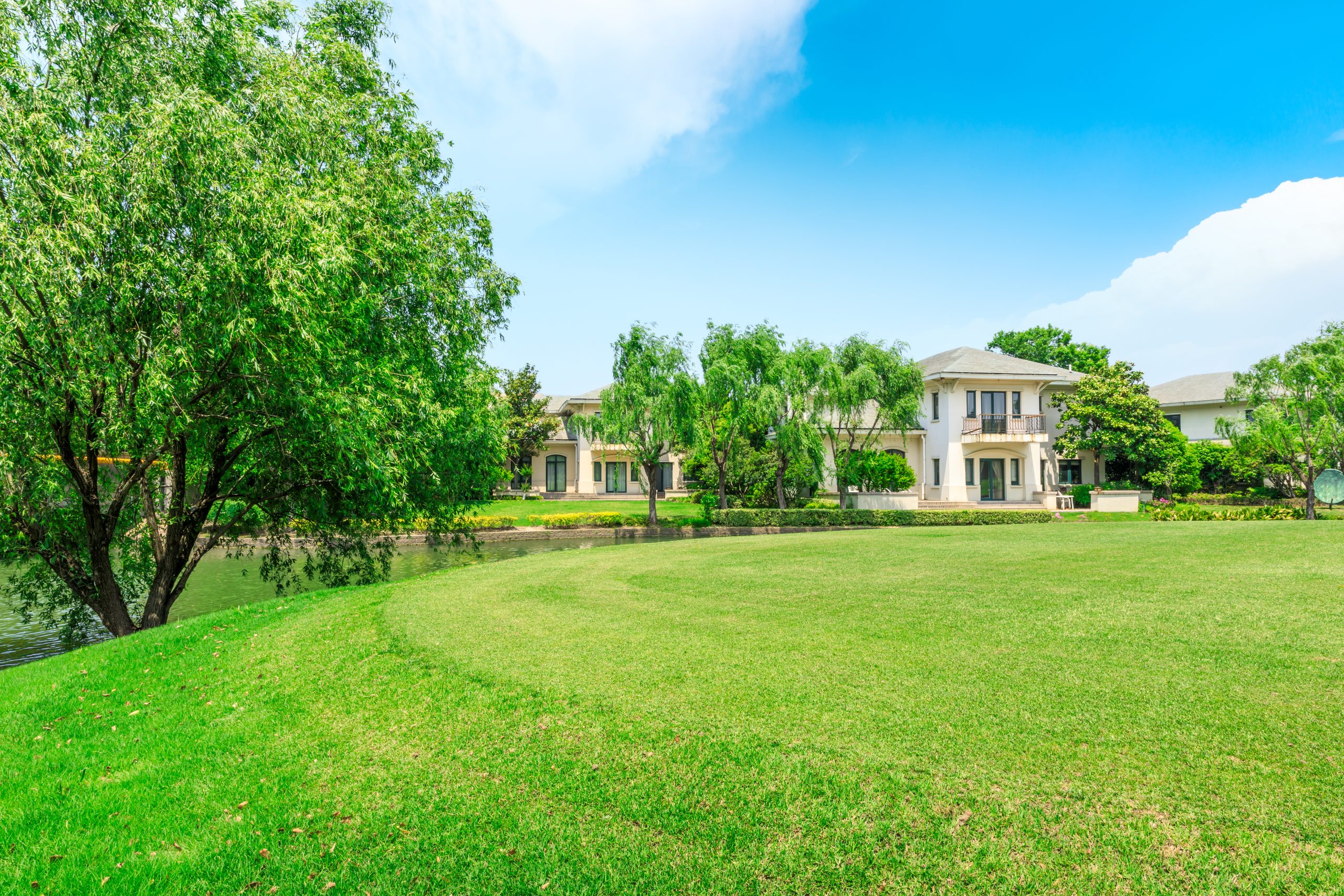
Winter Haven sits in the heart of Polk County, surrounded by more than 50 lakes. That water is part of what makes the area so appealing to live in. It’s also part of what makes ant control in Winter Haven, FL a more persistent challenge than many homeowners expect. The combination of lakeside moisture, sandy soils, and Florida’s year-round heat creates conditions where several ant species thrive — and where DIY treatments often fall short.
Why Winter Haven’s Environment Favors Ants
Florida’s subtropical climate already puts homeowners at a disadvantage when it comes to pest pressure. There’s no hard freeze to reduce insect populations the way colder states experience each winter. But Winter Haven adds another layer to that challenge.
The city’s chain of lakes raises local humidity consistently above what you’d find further inland. Moisture-loving ants — particularly ghost ants and carpenter ants — are drawn to that environment. Sandy, well-draining soils make it easy for fire ants to build deep, stable mounds without waterlogging. And when summer rain soaks the ground, ant colonies often migrate toward dry structures, including the walls and foundations of homes.
That combination of factors — moisture, warmth, and sandy soil — is hard to replicate elsewhere in Polk County. It’s one reason our Winter Haven service area sees ant-related calls throughout all four seasons, not just during summer.
The Florida Ant Species Causing the Most Problems
Not all ants are the same, and identifying which species you’re dealing with changes how treatment should be approached. In Winter Haven, three species stand out.
Fire Ants
Fire ants are a fixture of Florida lawns. They build mounds in open, sunny areas — right in the middle of St. Augustine and Bahia grass yards. Their stings are painful, and they’re aggressive when disturbed. Fire ant treatment in Florida requires a two-part approach: surface bait to disrupt the colony and direct mound treatments for visible activity. Treating only the mounds you can see often misses satellite colonies nearby.
Ghost Ants
Ghost ants are tiny, pale insects that are nearly invisible on light-colored surfaces. A ghost ant infestation typically starts outdoors in moist mulch or plant debris, then moves inside through gaps around windows, doors, and utility lines. Once inside, they’re drawn to sweet foods and moisture sources — kitchens and bathrooms are common hot spots. Their small size and habit of splitting colonies when threatened makes over-the-counter sprays largely ineffective against them.
Carpenter Ants
Carpenter ants are the largest ant species most Florida homeowners will encounter. They don’t eat wood the way termites do, but they do excavate it to build nesting galleries. In Winter Haven, homes near the lakefront or with older wood framing are especially vulnerable. Moisture-softened wood from humidity or plumbing leaks is a prime target. If you’re seeing large black ants — especially at night — near wood structures, that’s worth taking seriously.
How Moisture and Ant Activity Are Connected
Ants need water to survive, and they’re highly efficient at finding it. During dry spells, colonies push closer to homes in search of moisture. During heavy rain events — common in Florida’s wet season — colonies flood and ants move upward into walls, attics, and crawl spaces to escape.
In Winter Haven specifically, the proximity to lakes and retention ponds means the water table sits relatively high. That keeps soil moisture elevated even during stretches without rain. For homeowners with mulched landscaping close to the foundation, that moisture is effectively a welcome mat for foraging ants.
Simple habits help reduce that invitation. Keep mulch pulled back from the foundation by at least six inches. Fix dripping outdoor faucets and gutters that deposit water near the structure. Trim back plants and shrubs that create shaded, damp microclimates against the home’s exterior. Our shrub care services can help manage overgrowth that tends to harbor pest activity close to the structure.
Why DIY Ant Control Often Fails Here
Retail ant sprays and store-bought baits aren’t useless, but they’re limited. Most products kill ants on contact without addressing the colony. Ghost ants and fire ants both have the ability to “bud” — meaning when a colony feels threatened, it splits and forms new satellite colonies. A spray treatment can actually accelerate that spreading behavior, making the infestation harder to control over time.
Effective professional ant control uses a combination of targeted baiting and appropriately timed treatments that work with the biology of each species. It also involves identifying entry points and harborage areas — something a product label can’t do on its own.
Seasonal Patterns Still Matter — Even in Florida
Florida doesn’t experience winter the way northern states do, but ant activity does shift with the seasons. Late spring through early fall is peak activity season, driven by heat and the wet season. But winter in Central Florida is mild enough that ant colonies remain active. Carpenter ants, in particular, stay busy through cooler months if they’ve established inside a structure.
Year-round vigilance is the practical approach. Waiting until you have a visible problem often means the colony has already grown and spread. Consistent perimeter treatments and monitoring are more effective than reactive spot treatments after the fact.
Total Pest Solutions has been serving Polk County homeowners since 2006, and our team understands the specific pest pressures that come with living near Florida’s lakes and in the sandy soils of this region. If you want to learn more about our general pest approach, our Polk County pest control services page covers the full picture.
Protecting Your Property Long-Term
Ant control in Winter Haven, FL isn’t a one-time event. The environment here is simply too favorable to expect a single treatment to hold indefinitely. The most effective approach combines professional treatments with consistent home maintenance — sealing gaps in the foundation, managing moisture around the structure, and keeping landscaping trimmed back from the home.
It also helps to think of pest control as part of a broader property care routine. Ants foraging through a lawn often cross paths with other pest pressures. Outdoor pest control that addresses the perimeter and surrounding landscape reduces the overall load on your home’s defenses.
If you’ve noticed ant trails, mounds near the foundation, or frass near wood structures, it’s worth getting a professional assessment. The Total Pest Solutions team is local to Polk County and familiar with the specific conditions in Winter Haven. Give us a call at 863.585.3636 — we’re happy to take a look and give you a straightforward answer about what you’re dealing with.
Frequently Asked Questions
Why do I keep getting ants in my Winter Haven home even after treating them?
Most over-the-counter treatments kill ants on contact but don’t reach the colony. Fire ants and ghost ants can also split into satellite colonies when stressed, spreading the problem further. Effective control requires species-specific baiting and addressing the conditions — moisture, entry points, and harborage areas — that allow ants to keep returning.
Are ghost ants dangerous?
Ghost ants don’t sting and aren’t known to spread disease the way some pests do. However, a ghost ant infestation inside the home is unsanitary, particularly when ants are active in kitchen areas or near food prep surfaces. Their small size and colony-splitting behavior make them surprisingly difficult to eliminate without a targeted treatment plan.
How is fire ant treatment in Florida different from what’s used in other states?
Florida’s warm climate means fire ant colonies remain active year-round, unlike in colder states where cold temperatures limit activity. Treatment here requires consistent follow-up rather than seasonal applications. Slow-acting baits are particularly effective because worker ants carry them back to the queen before the bait takes effect, which breaks the cycle more thoroughly than contact sprays.
Can carpenter ants cause structural damage to my home?
Yes, over time. Carpenter ants don’t eat wood, but they excavate it to build nesting galleries. Sustained activity — especially in moisture-damaged wood — can compromise structural integrity. In Winter Haven’s humid environment, homes with older wood framing or any water intrusion issues are more vulnerable. Early detection makes treatment significantly more effective.
Does Florida’s wet season make ant problems worse?
It typically does. Heavy rain saturates the soil and floods underground ant galleries, pushing colonies to move toward higher, drier locations — often into walls, attics, or living spaces. The wet season also keeps soil moisture elevated around foundations, which attracts foraging ants. Perimeter treatments timed before the wet season begins can reduce the likelihood of ants migrating indoors.
How do I know which ant species I have before calling for treatment?
Size and color are good starting points. Fire ants are reddish-brown and build visible outdoor mounds. Ghost ants are extremely small and pale, often seen trailing along countertops or window frames. Carpenter ants are large — typically black — and are more active at night near wood structures. When in doubt, a professional inspection will identify the species and recommend the right approach.
continue reading
Related Posts
Top 5 Auburndale Pests and How to Control Them Living
Identifying Ants and Their Behavior: Are you being plagued by
Creating a Pest-Free Environment in Auburndale with Integrated Pest Management