
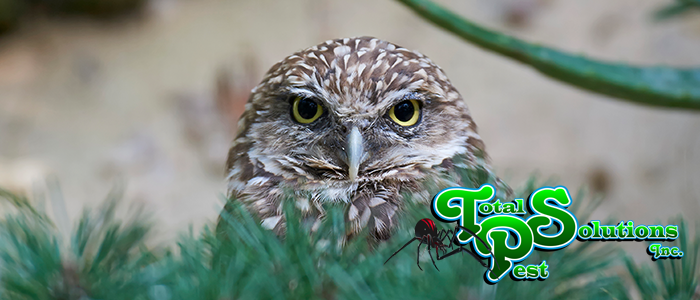
Auburndale’s Burrowing Owl Compliance: Pest Control Around Protected Species
Auburndale, Florida, is known for its natural beauty, including being home to the adorable burrowing owl. Protecting these threatened species while managing pest control is a delicate balancing act. Burrowing owl compliance requires careful planning and execution to minimize any negative impact on their habitat. This article outlines the essential steps homeowners and pest control professionals must take to ensure they are safeguarding these unique birds while addressing pest issues. Understanding the regulations, adopting owl-friendly pest control practices, and maintaining open communication with wildlife authorities are vital for responsible pest management in Auburndale.
Understanding Burrowing Owl Protection Laws in Auburndale
In Auburndale, burrowing owl compliance starts with knowing the laws. Burrowing owls are protected under the Migratory Bird Treaty Act and Florida state regulations. These laws prohibit harming, harassing, or destroying owls, their nests, or their burrows. Any pest control activities that could potentially impact burrowing owls require careful consideration and often permits from the Florida Fish and Wildlife Conservation Commission (FWC). You can find more information about these laws from the FWC. Failing to comply with these regulations can result in significant fines and legal repercussions. Homeowners and pest control companies must prioritize education and due diligence to ensure they are acting responsibly and legally.
Furthermore, it’s essential to understand local ordinances specific to Auburndale regarding burrowing owl protection. These may include buffer zones around known burrow sites and restrictions on the use of certain pesticides. Consulting with Auburndale’s planning and zoning department can provide clarity on local requirements. By staying informed and proactive, pest control efforts can be both effective and environmentally sound.
Identifying Burrowing Owl Habitats and Burrows
Before starting any pest control treatment, identifying if burrowing owl compliance applies requires locating potential owl habitats. Burrowing owls prefer open, grassy areas with low vegetation, such as pastures, agricultural fields, and vacant lots. Look for small mounds of dirt and feathers around burrow entrances. The burrows themselves are typically 6-8 inches in diameter. Surveying the property thoroughly before taking any action is crucial.
If you suspect a burrowing owl may be present, it is best to contact a local wildlife expert or the FWC for assistance in confirming their presence and determining the appropriate course of action. Avoid disturbing any potential burrows. Burrowing owls often reuse burrows, so even if an owl is not immediately visible, the burrow may still be in use. Proper identification and avoidance of disturbance are key to burrowing owl compliance.
Owl-Friendly Pest Control Methods
When pest control is needed near burrowing owl habitats, choose eco-friendly options that won’t hurt wildlife, ensuring burrowing owl compliance. This means using targeted treatments that minimize the chance of non-target species getting exposed. Instead of general sprays, try baits, traps, or insect growth regulators. With baits, owls are less likely to eat bugs that might have poison in them.
Whenever possible, avoid using rodenticides, as these can pose a significant risk to burrowing owls if they consume poisoned rodents. If rodent control is necessary, use tamper-resistant bait stations to prevent owls from accessing the bait. Instead of chemical controls, use ways to keep pests out, like sealing cracks and taking away places where they can live. Educating yourself with resources like the National Wildlife Federation is beneficial to staying up-to-date with best practices.
Creating Buffer Zones around Owl Burrows
Creating buffer zones around known burrow sites is a critical component of burrowing owl compliance. A buffer zone is a designated area around a burrow where pest control activities are restricted or modified to minimize disturbance to the owls. The size of the buffer zone may vary depending on the specific circumstances and local regulations, but typically ranges from 25 to 100 feet. Within the buffer zone, avoid using broad-spectrum pesticides and limit any activities that could disrupt the owls, such as mowing or construction.
Clearly marking the boundaries of the buffer zone with flags or signage can help prevent accidental encroachment. Regularly monitor the burrow site to assess the effectiveness of the buffer zone and make adjustments as needed. Open communication with pest control technicians and other workers on the property is essential to ensure everyone understands the importance of respecting the buffer zone. This diligent approach will help protect the owls’ habitat and promote burrowing owl compliance.
Long-Term Burrowing Owl Habitat Management
Long-term habitat management is essential for the continued survival of burrowing owls in Auburndale. This involves preserving and enhancing suitable habitat through practices such as controlled burns, mowing, and the creation of artificial burrows. Maintaining open, grassy areas with low vegetation is crucial for providing foraging opportunities for the owls.
Consider planting native grasses and wildflowers that attract insects, providing a natural food source for burrowing owls. Work with local conservation organizations to implement habitat restoration projects. Educating the community about the importance of burrowing owl conservation can also promote long-term stewardship of these unique birds. By taking action to protect and enhance their habitat, you can contribute to the preservation of these fascinating creatures for future generations.
Consulting with Wildlife Experts
Ensuring burrowing owl compliance means consulting with experts. Reach out to the Florida Fish and Wildlife Conservation Commission (FWC) or consult with local wildlife rehabilitators who specialize in avian species. They can offer guidance on specific pest control strategies as well helping to identify burrows.
These professionals can provide insights into the latest regulations and best practices for protecting burrowing owls and connect you with resources that can support your efforts. You may even find information on the U.S. Fish and Wildlife Service website. Establishing a relationship with wildlife experts can also provide an opportunity for ongoing collaboration and knowledge sharing, ensuring that pest control activities are always conducted in a manner that is both effective and environmentally responsible.
Conclusion: Balancing Pest Control and Burrowing Owl Conservation
Protecting burrowing owls while managing pests in Auburndale is achievable by understanding the laws about burrowing owl compliance, using owl-friendly methods, and creating buffer zones. These actions are important for our area’s biodiversity. By choosing Integrated Pest Management (IPM), you can ensure we protect our owl neighbors while we control pests. Contact Total Pest Solutions for pest control prioritizing environmental stewardship.
By working together, homeowners, pest control professionals, and wildlife authorities can create a harmonious balance between pest management and the conservation of Auburndale’s unique wildlife.
continue reading
Related Posts
Davenport’s Spring Termite Swarmers: Identifying Risk Zones As spring arrives
Haines City’s Odorous House Ants: Eco-Friendly Kitchen Defense Haines City
Winter Haven’s Post-Freeze Lawn Recovery: Patched Bare Spots Winter Haven,