
Davenport’s Spring Termite Swarmers: Identifying Risk Zones
As spring arrives in Davenport, Florida, homeowners need to be aware of an increased risk: termite swarmers. These winged termites emerge from established colonies to mate and start new ones, often signaling an existing infestation nearby. Identifying potential risk zones around your property is crucial for preventing costly termite damage. This article will guide you through recognizing termite swarmers, identifying areas prone to infestation, and implementing preventative measures to protect your home. By understanding termite behavior and taking proactive steps, you can minimize the threat posed by these destructive pests during the spring season and beyond.
Recognizing Termite Swarmers and Their Significance
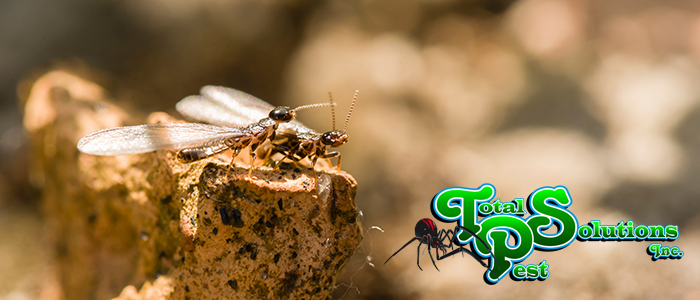
Termite swarmers are winged reproductive termites that emerge from mature colonies, usually in the springtime. They are attracted to light and are often found near windows and doors. The National Geographic provides useful information about insects. Identifying termite swarmers is the first step in assessing your risk. These swarmers are typically dark brown or black and have translucent wings of equal length, distinguishing them from ants, which have bent antennae and wings of unequal length.
The presence of termite swarmers indoors is a strong indication of a termite infestation within your home. Even if you only see a few swarmers, it suggests that a colony is nearby and actively reproducing. Outdoors, swarmers may indicate a colony in the soil or in nearby wooden structures, such as fences or sheds. It’s crucial to take any sighting seriously and investigate further to determine the extent of the problem. Ignoring termite swarmers can lead to significant structural damage over time.
Identifying High-Risk Zones Around Your Property
Certain areas around your property are more susceptible to termite infestations than others. These high-risk zones often provide the ideal conditions for termites to thrive: moisture, food (wood), and shelter. Focus your inspections on these areas to identify potential problems early. One common high-risk zone is the soil around your foundation. Termites can tunnel through the soil to reach wooden structures, so it’s important to maintain a barrier between the soil and your home’s foundation. Ensure proper drainage to prevent excessive moisture near the foundation.
Another high-risk zone is any area where wood comes into direct contact with the soil, such as fence posts, decks, and wooden landscaping features. These areas provide easy access for termites to reach a food source. Regularly inspect these areas for signs of termite damage, such as mud tubes, hollow wood, or the presence of termites themselves. Also, pay attention to areas with poor ventilation or excessive moisture, such as crawl spaces and basements. These conditions create a favorable environment for termites to establish colonies. The Florida Department of Agriculture has information and resources for homeowners.
Implementing Preventative Measures to Minimize Termite Risk
Preventative measures are essential for minimizing the risk of termite infestations, especially in areas like Davenport where termite activity is prevalent. Start by eliminating sources of moisture around your home. Repair leaky pipes and faucets, and ensure that your gutters are clean and functioning properly. Improve ventilation in crawl spaces and basements to reduce humidity levels. Remove any wood debris or cellulose material from around your foundation, as these can attract termites.
Consider using treated wood for any outdoor construction projects, such as decks or fences. Treated wood is resistant to termite damage and can significantly reduce the risk of infestation. You can also create a termite barrier around your foundation using chemical or physical methods. Chemical barriers involve applying a termiticide to the soil, while physical barriers involve installing a mesh or membrane that termites cannot penetrate. Regularly inspect your property for signs of termite activity and take action promptly if you find any.
Professional Termite Inspections and Treatments
While preventative measures can help reduce the risk of termite infestations, professional termite inspections and treatments are often necessary to ensure complete protection. A qualified pest control technician can conduct a thorough inspection of your property to identify any existing termite activity or potential vulnerabilities. They can also recommend appropriate treatment options based on the specific needs of your home.
Termite treatments may involve applying termiticides to the soil, injecting them into walls, or using baiting systems. These treatments are designed to eliminate existing termite colonies and prevent future infestations. Regular professional inspections and treatments can provide long-term protection against termite damage and give you peace of mind.
The Role of Landscaping in Termite Prevention
The landscaping around your home can play a significant role in termite prevention. Certain landscaping practices can create conditions that are more or less attractive to termites. Avoid planting shrubs or trees too close to your foundation, as these can create moist, shady conditions that termites prefer. Keep mulch away from your foundation, as mulch can retain moisture and provide a food source for termites. According to the University of Florida’s Extension Office, proper landscaping practices are important.
Consider using gravel or rocks instead of mulch in areas close to your foundation. These materials do not retain moisture and are less attractive to termites. Ensure that your lawn is properly graded to direct water away from your foundation. Proper drainage is essential for preventing moisture buildup and reducing the risk of termite infestations. By making smart landscaping choices, you can create a less hospitable environment for termites around your home.
Safeguarding Your Home from Termite Swarmers in Lake Alfred
Protecting your home from termite swarmers in Lake Alfred (and beyond) requires a comprehensive approach that includes regular inspections, preventative measures, and professional treatments when necessary. Take the time to assess your property for potential risk zones and implement strategies to minimize the risk of termite infestations. By staying vigilant and proactive, you can safeguard your home from the destructive effects of these pests.
Remember, early detection and prompt action are key to preventing significant termite damage. Don’t hesitate to contact a qualified pest control service if you suspect a termite problem. They can provide expert advice and effective solutions to protect your home from these unwanted invaders.
Conclusion: Protecting Your Home from Termite Swarmers
The spring season in Davenport brings both beauty and the potential threat of termite swarmers. By understanding the risks, identifying vulnerable areas, and implementing the preventative strategies outlined in this article, you can significantly reduce your chances of a termite infestation. Remember to regularly inspect your property, eliminate sources of moisture, and consider professional assistance for inspections and treatments. Contact Total Pest Solutions for comprehensive termite control services!
Taking these steps will help protect your investment and ensure a safe, structurally sound home for years to come. Staying informed and proactive is the best defense against the damage termite swarmers can cause.
continue reading
Related Posts
Haines City’s Odorous House Ants: Eco-Friendly Kitchen Defense Haines City
Winter Haven’s Post-Freeze Lawn Recovery: Patched Bare Spots Winter Haven,
Lakeland’s Azalea Pest Alerts: Combating Lace Bugs Early Lakeland, Florida,