
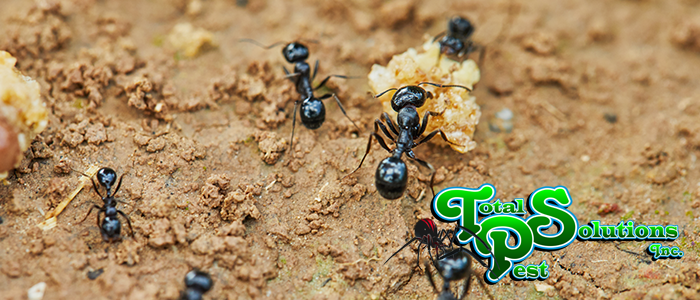
Haines City’s Odorous House Ants: Eco-Friendly Kitchen Defense
Haines City residents know that keeping a clean home is a year-round task. However, even the most diligent homeowners can find themselves facing a persistent nuisance: Odorous House Ants. These tiny pests, known for the unpleasant smell they emit when crushed, are particularly drawn to kitchens, seeking out sugary and greasy residues. Fortunately, defending your kitchen doesn’t require harsh chemicals. This article explores eco-friendly strategies to prevent and manage Odorous House Ants, ensuring a safe and healthy environment for your family and pets. We will walk you through easy steps to combat these pests while protecting our environment in Lake Alfred, too.
Understanding Odorous House Ant Behavior
Before launching your defense, it’s important to understand the enemy. Odorous House Ants, scientifically known as Tapinoma sessile, are small, dark brown or black ants about 1/8 inch long. They don’t sting, but they release a coconut-like or rotten smell when crushed, making them easy to identify. These ants are opportunistic and thrive on a variety of food sources, but they are particularly fond of sweets. You can learn more about their specific behaviors at the Insect Identification website. They often invade homes in search of food and water, especially during periods of drought or extreme temperatures.
Odorous House Ants colonies are large and can contain thousands of individuals, with multiple queens. This makes them difficult to eradicate with DIY methods alone. They don’t build conspicuous mounds; instead, they nest in wall voids, under floors, behind appliances, or in mulch around the foundation. Knowing where they are likely to nest can help you target your control efforts. They are very social creatures, so when you see one ant, there are certainly more around.
Eco-Friendly Cleaning Strategies for Kitchen Ant Defense
The first line of defense against Odorous House Ants is maintaining a clean kitchen. Wipe up spills immediately, especially sugary substances like juice or honey. Clean countertops, sinks, and floors regularly with natural cleaning products. Pay attention to areas where food crumbs tend to accumulate, such as under appliances and around the edges of cabinets. Don’t leave dirty dishes in the sink overnight, as these can attract ants looking for a meal.
Store food in airtight containers to prevent ants from accessing it. This is especially important for sugary items like sugar, honey, and syrup. Regularly clean out your pantry, discarding any expired or infested food. Empty garbage cans frequently and ensure they have tight-fitting lids. By eliminating food sources, you can make your kitchen much less appealing to Odorous House Ants.
Natural Ant Repellents
Several natural substances can repel Odorous House Ants without harming the environment or your family. Vinegar is a great option. Wipe down countertops and floors with a solution of equal parts vinegar and water. The strong scent of vinegar deters ants, and it’s a safe and effective cleaning agent. Similarly, citrus peels, especially lemon and orange, contain oils that ants dislike. Place citrus peels near entry points or grind them up and sprinkle them around ant trails.
Other natural repellents include peppermint oil, tea tree oil, and cinnamon. Soak cotton balls in these oils and place them near ant trails or entry points. Diatomaceous earth, a non-toxic powder made from fossilized algae, can also be used to create a barrier that ants won’t cross. Sprinkle it around the foundation of your home or in areas where you’ve seen ant activity. These natural methods are effective in deterring ants without resorting to harmful chemicals.
Sealing Entry Points to Prevent Ant Infestations
Preventing Odorous House Ants from entering your home is crucial for long-term control. Caulk cracks and crevices around windows, doors, and pipes. Seal any gaps in the foundation or siding. Pay attention to areas where utility lines enter your home, as these can be common entry points for ants. Install weather stripping around doors and windows to create a tight seal. Small openings can be all it takes for ants to enter, so be diligent in sealing them.
Trim back shrubs and trees that touch your home, as these can provide a bridge for ants to access your property. Keep mulch away from the foundation, as it can provide shelter for ants. By sealing entry points and maintaining your landscaping, you can create a barrier that keeps ants out.
Safe Baiting Strategies for Odorous House Ant Control
If you’re dealing with an established infestation of Odorous House Ants, baiting can be an effective way to eliminate the colony. Use commercially available ant baits that contain a slow-acting poison. Place the baits near ant trails or areas where you’ve seen ant activity. The ants will carry the bait back to the colony, effectively poisoning the entire nest. Make especially sure to protect pets and children from unsupervised access to baiting stations like these.
For an eco-friendly alternative, you can make your own ant bait using borax and sugar water. Mix equal parts borax and sugar water and soak cotton balls in the solution. Place the cotton balls in shallow dishes near ant trails. Borax is a natural mineral that is toxic to ants, and the sugar attracts them to the bait. Replace the bait regularly and monitor ant activity to ensure the bait is being consumed. Be sure to check Purdue University guidelines for more help here.
Professional Eco-Friendly Pest Control
In some cases, DIY methods may not be enough to eliminate a severe infestation of Odorous House Ants. If you’ve tried the strategies outlined above and are still struggling with ants, it’s time to call in a professional pest control service. Look for a company that offers eco-friendly pest control options. These companies use environmentally responsible methods to eliminate ants while minimizing harm to your family, pets, and the environment.
Professional pest control services have access to specialized equipment and products that are not available to consumers. They can also identify the source of the infestation and develop a customized treatment plan to address the specific needs of your property. While it may be tempting to grab the strongest chemical sprays, professional, eco-friendly services target the pests while minimizing any collateral damage.
Conclusion: Protecting Your Home from Odorous House Ants
Defending your kitchen from Odorous House Ants requires a combination of preventative measures, eco-friendly cleaning strategies, and natural repellents. By understanding ant behavior, eliminating food sources, sealing entry points, and using safe baiting techniques, you can effectively control ants without resorting to harmful chemicals. Remember to prioritize prevention and maintain a clean, clutter-free environment. Contact Total Pest Solutions for expert pest control services, including eco-friendly options!
Protecting your Haines City home now protects it for the future with Odorous House Ants prevention and control.
continue reading
Related Posts
Winter Haven’s Post-Freeze Lawn Recovery: Patched Bare Spots Winter Haven,
Lakeland’s Azalea Pest Alerts: Combating Lace Bugs Early Lakeland, Florida,
Auburndale’s Spring Mosquito Breeding Grounds: Drainage Solutions As spring arrives