
Lakeland’s Azalea Pest Alerts: Combating Lace Bugs Early
Lakeland, Florida, is renowned for its stunning displays of azaleas, but these beautiful shrubs are often targeted by a common pest: Lace Bugs. Early detection and treatment are crucial to prevent significant damage and maintain the health of your azaleas. This article provides essential information on identifying Lace Bugs, understanding their impact, and implementing effective control strategies to protect your beloved plants. From recognizing the signs of infestation to applying the right treatments, we’ll explore the steps you can take to keep your azaleas thriving in the Polk County area. Don’t let these pests ruin your landscape; start combating them early!
Identifying Lace Bugs and Their Damage
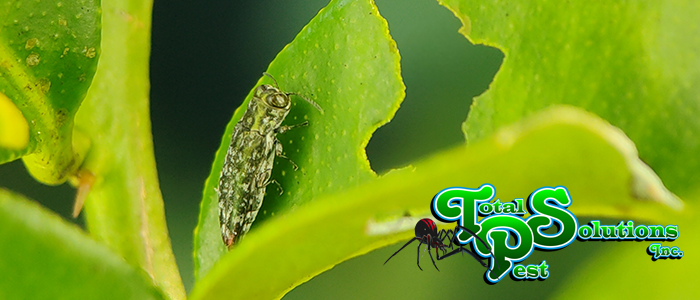
Lace Bugs are small, sap-sucking insects that feed on the underside of azalea leaves. They are characterized by their delicate, lace-like wings, which give them their name. Understanding the Lace Bugs lifecycle from reliable sources of entomology will help you to understand when they are most active. Adult Lace Bugs are typically about 1/8 inch long and have a dark brown or black body. The nymphs, or immature Lace Bugs, are smaller and wingless, with spiny bodies. Look for them on the undersides of leaves, where they congregate and feed. The damage they cause is quite characteristic and easy to recognize.
The most obvious sign of a Lace Bugs infestation is the presence of small, yellow or white spots on the upper surface of the leaves. As the infestation progresses, these spots merge, causing the leaves to appear stippled or bleached. Heavy infestations can lead to premature leaf drop and stunted growth. On the underside of the leaves, you may also find dark, varnish-like excrement spots and shed skins of the nymphs. Regular inspection of your azaleas is essential for early detection. Further information, including images to compare against, can be found on the University of Florida’s Entomological website. Catching infestations early prevents any long-term problems.
Understanding the Lace Bug Lifecycle
The Lace Bugs lifecycle consists of several stages: egg, nymph, and adult. Eggs are laid on the underside of leaves, often along the midrib or veins. These tiny, flask-shaped eggs are partially inserted into the leaf tissue, making them difficult to spot. Nymphs hatch from the eggs and go through several molting stages before reaching adulthood. The entire lifecycle can be completed in as little as one month under favorable conditions, leading to multiple generations per year. Knowing the lifecycle is important in targeting treatment times effectively.
Lace Bugs are most active during the warmer months, typically from spring to fall. However, in Florida’s mild climate, they can remain active year-round. Understanding their lifecycle helps in planning effective control strategies. For example, targeting nymphs with insecticidal soap can be highly effective, as they are more vulnerable than adults. Regular monitoring of your azaleas throughout the year is essential for detecting and managing Lace Bugs populations. With all of this in mind, it is essential that Lace Bugs infestations are tackled swiftly.
Implementing Cultural Control Methods
Cultural control methods involve modifying the environment to make it less favorable for Lace Bugs. One of the most effective cultural controls is to provide your azaleas with proper care. Healthy plants are more resistant to pest infestations. Ensure that your azaleas are planted in well-draining soil and receive adequate water and fertilization. Avoid over-fertilizing, as this can promote succulent growth that is more attractive to Lace Bugs. Proper care helps to reduce the stress on your plant and makes them more likely to survive an infestation of Lace Bugs.
Prune your azaleas regularly to improve air circulation and sunlight penetration. This can help to reduce humidity and create a less favorable environment for Lace Bugs. Remove any heavily infested leaves or branches and dispose of them properly to prevent the spread of the infestation. Regularly inspect your plants and manually remove Lace Bugs or their eggs when you find them. Simple steps such as these can greatly reduce the numbers of Lace Bugs on your plants.
Using Insecticidal Soap and Horticultural Oil
Insecticidal soap and horticultural oil are effective and environmentally friendly options for controlling Lace Bugs. Insecticidal soap works by disrupting the insect’s cell membranes, causing them to dehydrate and die. Horticultural oil suffocates the insects by clogging their breathing pores. Both products are most effective when applied directly to the Lace Bugs and their nymphs. Ensure thorough coverage of the undersides of the leaves, where the pests congregate. Be sure to check local extension guidelines to discover when and how to apply these products.
Apply insecticidal soap or horticultural oil in the early morning or late evening when temperatures are cooler and the sun is not as intense. This will help to prevent leaf burn. Repeat applications may be necessary, especially for heavy infestations. Always follow the manufacturer’s instructions carefully. Insecticidal soap and horticultural oil are safe for beneficial insects, but avoid spraying them directly. These methods are effective and do not create a hazardous waste.
Systemic Insecticides for Severe Infestations
For severe Lace Bugs infestations, systemic insecticides may be necessary. Systemic insecticides are absorbed by the plant and translocated throughout its tissues, killing Lace Bugs as they feed. These products can provide long-lasting control but should be used judiciously due to their potential impact on beneficial insects. Imidacloprid and dinotefuran are two commonly used systemic insecticides for Lace Bugs control.
Apply systemic insecticides according to the manufacturer’s instructions, and avoid using them on plants that are in bloom to protect pollinators. Consider using a soil drench application, which can minimize the risk to beneficial insects. Always weigh the benefits and risks before using systemic insecticides, and consult with a professional pest control service if you are unsure. These treatments may affect other insects and pests around the plants.
Preventing Future Lace Bug Infestations
Preventing future Lace Bugs infestations requires ongoing monitoring and proactive measures. Regularly inspect your azaleas for signs of Lace Bugs activity, and take action at the first sign of infestation. Maintain proper plant care, including watering, fertilization, and pruning. Encourage beneficial insects, such as ladybugs and lacewings, which prey on Lace Bugs. Avoid using broad-spectrum insecticides that can harm these beneficials. Maintaining your plants will create more resilient and healthy plants that are more likely to survive an infestation of Lace Bugs.
Consider planting Lace Bugs-resistant azalea varieties, such as ‘Formosa’ or ‘Gumpo.’ These varieties are less susceptible to infestation and can reduce the need for chemical controls. Implement cultural control methods, such as improving air circulation and removing infested leaves. By taking these steps, you can minimize the risk of future Lace Bugs infestations and keep your azaleas healthy and beautiful. Also, be sure to report that Lace Bugs are thriving to local plant nurseries, so they can be aware and help prevent the movement of these bugs.
Conclusion: Protecting Your Azaleas from Lace Bugs in Lakeland
Combating Lace Bugs early is essential for protecting your azaleas in Lakeland and maintaining the beauty of your landscape. By understanding Lace Bugs behavior, implementing cultural control methods, and using appropriate treatments, you can effectively manage these pests. Regular monitoring and proactive measures are key to preventing severe infestations. Remember to prioritize safety and environmental responsibility when using insecticides. With these strategies, you can keep your azaleas thriving and enjoy their vibrant blooms year after year. Contact Total Pest Solutions for expert pest control services to help keep your lawn and landscape pest-free!
By staying vigilant and implementing these strategies, you can successfully combat Lace Bugs and protect your azaleas in the Polk County area, ensuring your landscape remains a beautiful asset.
continue reading
Related Posts

Top 5 Auburndale Pests and How to Control Them Living
Don’t Let Pests Take Over: The Key to a Pest-Free
Creating a Pest-Free Environment in Auburndale with Integrated Pest Management