
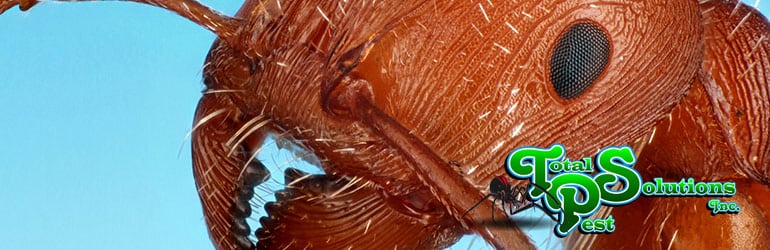
Ants can be some of the most voracious and difficult to deter pests. Colonies can number thousands or millions of individuals, and the incessant need for food will send workers far and wide. Ant control is more than simply eliminating the ants you see; it is eliminating their methods of communication and making your home less attractive to them.
Ants communicate primarily through chemical trails. If a single ant finds a food source, it will return to its nest while broadcasting a chemical trail its fellows can follow. Ants generally look for food in two main groups: sugary and sweet food sources, or protein-based or fatty food sources. Ants can also cultivate smaller insects like the mealybug or aphid, which feed on plants and produce honeydew. This process can be devastating to plants or gardens, and the honeydew produced is especially nutritious to ants. Disrupting the chemical trails is as easy as washing, and there are several products that also disrupt the chemical trail an ant might leave.
The second step of ant control is to remove colonies near or inside your home. A colony of ants is nearly always subterranean, so it’s important to watch for the signs of a colony in your lawn or near pavement and foundations. Most ants breed in the spring, so finding a breeding ant will quickly let you know if a new colony is nearby.
If any of these apply to you, give Total Pest Solutions a call today! We have the tools and training to satisfy your ant control and pest control needs.
continue reading
Related Posts

Mosquito season in Haines City builds fast once summer rain arrives — and waiting until July to act means you're already behind. This guide walks Polk County homeowners through a month-by-month mosquito treatment schedule so you can protect your yard before peak season hits.

Wondering what happens during a residential pest control visit in Mulberry? This guide walks Polk County homeowners through every step — from the initial inspection to treatment and follow-up — so there are no surprises on service day.

Bed bug treatment is rarely a one-visit fix. This guide explains the factors that determine treatment frequency for Lakeland homeowners, from travel habits to multi-unit housing risks, and what follow-up visits actually accomplish.