
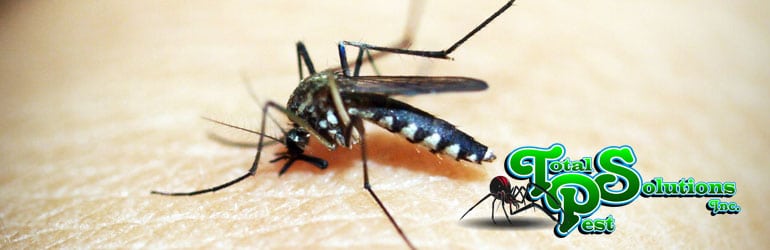
Although mosquitos can be found virtually everywhere, they typically like to live near places where there is standing water. They do this because water is needed in order for their eggs to hatch. In many instances, a female mosquito can lay up to 200 eggs at a time. When this occurs, a mosquito infestation may develop.
Once an infestation starts, it can be difficult to come up with an effective mosquito control plan. This is because, even though mosquitos like to live in moist areas, they can adapt to different conditions. Additionally, once an infestation develops, the mosquitos will continue to lay eggs and reproduce.
Why are Mosquito Infestations a Problem?
When a mosquito infestation develops and your best efforts at mosquito control aren’t really working, you may have a hard time enjoying your front or backyard. Additionally, mosquitos can carry and transmit diseases like yellow fever, West Nile virus, and malaria. Even though the mosquitos on your property may not be carrying these diseases, the threat can still exist.
How We Can Help
The main thing you can do to keep a mosquito infestation from occurring is to keep standing water from developing on your property. By doing this, mosquitos will have fewer places to live and breed.
At Total Pest Solutions, we can also come in and develop a mosquito control plan to help you eliminate mosquitos from your yard. If you want to know more about our solutions and what we do to deal with mosquitos, get in touch with us today.
continue reading
Related Posts

Mosquito season in Haines City builds fast once summer rain arrives — and waiting until July to act means you're already behind. This guide walks Polk County homeowners through a month-by-month mosquito treatment schedule so you can protect your yard before peak season hits.

Wondering what happens during a residential pest control visit in Mulberry? This guide walks Polk County homeowners through every step — from the initial inspection to treatment and follow-up — so there are no surprises on service day.

Bed bug treatment is rarely a one-visit fix. This guide explains the factors that determine treatment frequency for Lakeland homeowners, from travel habits to multi-unit housing risks, and what follow-up visits actually accomplish.