
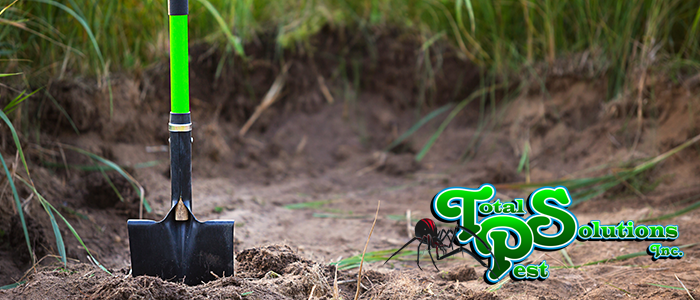
New Year Lawn Resolutions for Haines City: Soil Testing & PH Balancing
As the New Year approaches, many homeowners in Haines City, Florida, are looking for ways to improve their lawns. One of the most crucial aspects of lawn care that’s often overlooked is soil testing and pH balancing. Understanding your soil’s composition and pH level is essential for achieving a healthy, vibrant lawn. This article will guide you through the importance of soil testing, how to conduct a test, and how to balance the pH for optimal grass growth. Making this a New Year’s resolution will improve the health of your lawn for years to come.
Understanding the Importance of Soil Testing
Soil testing is the foundation of effective lawn care. It provides valuable insights into the composition of your soil, including nutrient levels (nitrogen, phosphorus, potassium), pH level, and organic matter content. Without this information, you’re essentially guessing what your lawn needs, which can lead to over- or under-fertilization, poor grass growth, and susceptibility to pests and diseases. A good lawn analysis is the first step to improving any lawn. A great place to start to understand how to take a soil sample is by checking out Johnston Seed.
The pH level of your soil is particularly important. It affects the availability of nutrients to your grass roots. Most lawn grasses thrive in a slightly acidic to neutral soil pH, typically between 6.0 and 7.0. If your soil is too acidic or alkaline, your grass may not be able to absorb the nutrients it needs, even if they are present in the soil. Soil testing reveals these imbalances, allowing you to take corrective measures. Soil testing is especially important in areas with sandy soil.
How to Conduct a Soil Test
Conducting a soil test is a relatively simple process. You can purchase a DIY soil testing kit from most garden centers or hardware stores, or you can send a sample to a professional soil testing laboratory. Professional labs that can help you with soil testing analyses include Logan Labs. For a DIY test, follow the instructions provided with the kit carefully. Generally, you’ll need to collect multiple soil samples from different areas of your lawn, mix them together to create a composite sample, and then test the sample using the kit’s reagents.
When collecting soil testing samples, be sure to remove any surface debris, such as grass clippings or thatch. Use a clean trowel or soil probe to collect samples from a depth of about 4-6 inches. Avoid testing soil immediately after fertilizing or applying lime, as this can skew the results. If sending your sample to a lab, follow their specific instructions for sample collection and submission. Be sure to provide accurate information about your lawn’s history and any specific problems you’ve been experiencing.
Balancing Soil pH for Optimal Growth
Once you have the results of your soil testing, you can determine whether your soil pH needs to be adjusted. If your soil is too acidic (pH below 6.0), you can raise the pH by adding lime. Lime is a soil amendment that neutralizes acidity and makes nutrients more available to grass roots. The amount of lime you need to apply will depend on the severity of the acidity and the type of lime you use and will be provided by whichever organization analyzed your soil sample.
If your soil is too alkaline (pH above 7.0), you can lower the pH by adding sulfur or other acidifying agents. Sulfur gradually reduces the pH over time. Again, follow the instructions on the product label carefully and apply the recommended amount. It’s generally best to apply lime or sulfur in the fall or early spring, allowing it time to react with the soil before the growing season. Remember to retest your soil after making adjustments to ensure that you’ve achieved the desired pH level. This is a long process, but well worth the effort for a great lawn.
Fertilizing Based on Soil Test Results
Soil testing also provides valuable information for determining your lawn’s fertilizer needs. The test results will indicate the levels of nitrogen, phosphorus, and potassium in your soil. Based on these levels, you can choose a fertilizer that provides the right balance of nutrients for your grass type. Avoid over-fertilizing, as this can lead to excessive growth, thatch buildup, and increased susceptibility to diseases. Always follow the fertilizer label instructions carefully.
Consider using a slow-release fertilizer, which provides a steady supply of nutrients over a longer period. This can help prevent nutrient deficiencies and promote consistent growth. Organic fertilizers are also a good option, as they release nutrients slowly and improve soil health over time. Remember to water your lawn thoroughly after fertilizing to help the nutrients penetrate the soil and reach the grass roots.
Improving Soil Structure and Drainage
In addition to pH and nutrient levels, soil testing can also reveal information about soil structure and drainage. Compacted soil can restrict root growth and prevent water and air from reaching the roots. If your soil is compacted, consider aerating your lawn to improve drainage and allow for better root penetration. Aeration involves removing small plugs of soil from the lawn, creating channels for air and water to reach the roots. [danielslawnservice.net](https://danielslawnservice.net/how-to-prepare-your-central-florida-lawn-for-fall/) highlights the importance of using a tool that removes “plugs” of soil, versus just poking holes, for effective aeration.
Adding organic matter, such as compost or peat moss, can also improve soil structure and drainage. Organic matter helps to break up compacted soil, improve water retention, and provide nutrients for grass growth. Spread a thin layer of compost over your lawn in the fall or spring, and work it into the soil with a rake. Regular applications of organic matter can significantly improve the overall health and vitality of your lawn.
Conclusion: Achieve a Healthier Lawn Through Soil Testing
Making soil testing a New Year’s resolution is a smart investment in the long-term health and beauty of your lawn in Haines City. By understanding your soil’s composition and pH level, you can provide the right nutrients and create an optimal growing environment for your grass. This leads to a healthier, greener, and more resilient lawn that you can enjoy for years to come. Don’t guess – test! Remember that Total Pest Solutions is here to help with all lawn care needs.
Taking the time to conduct a soil testing and balance your soil’s pH will help you get a beautiful lawn to enjoy in the Polk County area.
continue reading
Related Posts
Davenport’s Pre-Emergent Herbicide Guide: Timing for Crabgrass As spring approaches
Haines City’s Springtail Infestations: Managing Moisture-Loving Pests As the weather
Lakeland’s Pre-Spring Lawn Detox: Clearing Debris & Thatch As winter