
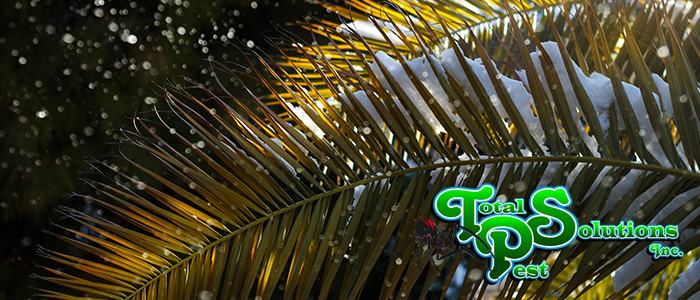
Winter Palm Care in Lakeland: Cold Snap Protection Strategies
Lakeland, Florida, known for its beautiful palm trees, can experience unexpected cold snaps during the winter months. These temperature drops can be detrimental to palms, leading to significant damage or even death. Proper Winter Palm Care is essential to protect your investment and maintain the health and beauty of your landscape in Florida. This article provides practical strategies to safeguard your palms from cold-related issues, ensuring they thrive throughout the winter season. We’ll cover everything from preparing your palms for the cold to providing ongoing protection and addressing any potential damage.
Understanding the Impact of Cold on Palm Trees
Cold weather can severely impact palm trees, especially those not cold-hardy. The extent of the damage depends on several factors, including the species of palm, the duration and severity of the cold snap, and the overall health of the tree. Young palms are generally more vulnerable to cold damage than mature ones. According to the University of Florida’s Institute of Food and Agricultural Sciences (UF/IFAS), temperatures below freezing can cause leaf damage, spear pull (where the central spear leaf pulls out easily), and even death of the meristem (the growing point of the palm) (UF/IFAS Cold Damage on Palms). Freezing temperatures cause ice crystals to form within the plant’s cells, disrupting cellular processes and causing dehydration. Repeated freeze-thaw cycles can exacerbate the damage as it weakens the plant’s structure. Palms native to tropical regions are least tolerant.
Symptoms of cold damage on palms include browning or yellowing of leaves, drooping fronds, and a mushy or soft trunk. If you suspect cold damage, it’s important to assess the extent of the damage carefully and take appropriate action. Proper Winter Palm Care in the weeks leading up to winter improves cold tolerance as well. Signs of recovery may not be immediately apparent, so patience is key. Consulting with a certified arborist or palm specialist can help you determine the best course of action for your affected palms.
Prepping Your Palms for Winter Weather
Preparing your palms for winter begins well before the first cold snap. Proper fertilization is crucial for building up the palm’s defenses. Use a slow-release palm fertilizer in the fall to provide essential nutrients. Ensure the fertilizer contains micronutrients such as magnesium, manganese, and iron, which are vital for palm health. Avoid fertilizing too late in the fall, as this can stimulate new growth that is more susceptible to cold damage. Proper watering is a foundational element of Winter Palm Care and helps trees withstand the drying effects of cold winds.
Mulching around the base of your palms helps insulate the soil and protect the roots from freezing temperatures. Apply a layer of organic mulch, such as pine straw or wood chips, 2-3 inches thick around the base of the tree, keeping it a few inches away from the trunk. Avoid piling mulch directly against the trunk, as this can promote rot. This step is part of preparing all trees for winter, not only palms. Also, ensure that your palms are properly hydrated. Water deeply before a predicted cold snap to help insulate the roots. Well-hydrated palms are better able to withstand freezing temperatures.
Protecting Palms During a Cold Snap: Step-by-Step
When a cold snap is forecasted, take immediate steps to protect your palms. The most effective method is to cover them with frost blankets or burlap. Drape the blankets completely over the palm, extending to the ground. This helps trap heat radiating from the soil and protects the foliage from freezing winds. For smaller palms, you can use a frame to keep the blanket from directly touching the leaves. These steps are common during times of expected frost and are important for Winter Palm Care.
Another helpful tip is to wrap the trunk of vulnerable palms with insulation, such as pipe insulation or bubble wrap. This provides an extra layer of protection for the growing point of the palm. Stringing lights (incandescent, not LED) through the palm can also provide supplemental heat. Be sure to use outdoor-rated lights and follow safety precautions. Remember to remove the coverings once the cold snap has passed to allow the palm to receive sunlight and air circulation. Monitor local weather forecasts closely so you can prepare for any unexpected temperature drops.
Post-Freeze Palm Care and Recovery Strategies
After a cold snap, assess your palms for any signs of damage. Avoid the temptation to immediately prune off damaged fronds. Dead or dying leaves can actually provide some insulation to the meristem. Wait until the threat of further cold weather has passed before pruning. If the spear leaf pulls out easily, this indicates damage to the meristem. In this case, it may be helpful to remove the spear leaf to allow for air movement and drying of the tissue. Check out the resources at UF IFAS Extension for in-depth information.
Drench the bud area with a copper fungicide to reduce the chances of secondary microbial infections. Avoid using copper nutrient sprays, as these are not effective for preventing fungal growth. Continue to water your palms regularly, but avoid overwatering. Provide supplemental fertilization with a balanced palm fertilizer to promote recovery. Be patient, as it may take several months to a year for your palms to fully recover. Monitor your palms closely for signs of stress or disease and take appropriate action. Proper Winter Palm Care continues until trees have recovered in the spring.
Choosing Cold-Hardy Palm Varieties for Lakeland
One of the best ways to minimize the risk of cold damage is to choose cold-hardy palm varieties that are well-suited to the Lakeland climate. Some cold-hardy palms include the Sabal Palm (Florida’s state tree), the Needle Palm, the Windmill Palm, and the Triangle Palm. These palms can tolerate temperatures down to 20°F or lower. When selecting palms for your landscape, consider the USDA hardiness zone for your area. Lakeland is typically in zone 9b, which means the average minimum winter temperature is between 25°F and 30°F.
Consult with a local nursery or palm specialist to choose the right varieties for your specific location and soil conditions. Proper planting techniques are also essential for ensuring the long-term health and cold hardiness of your palms. Dig a hole that is twice as wide as the root ball but no deeper. Backfill with native soil and water thoroughly. Avoid planting palms too deep, as this can lead to root rot. Choosing the right palm variety is a basic element of effective Winter Palm Care.
Conclusion: Ensuring Healthy Palms Through Winter Strategies
Proper Winter Palm Care in Lakeland is crucial for protecting your palms from cold damage and maintaining a beautiful landscape. By understanding the impact of cold weather, preparing your palms for winter, taking protective measures during cold snaps, and providing post-freeze care, you can help your palms thrive throughout the year. Remember to choose cold-hardy varieties and consult with professionals when needed. Taking these steps will ensure that your palms remain healthy and vibrant, adding beauty and value to your property. Contact Total Pest Solutions for all your lawn and plant care needs!
Enjoy the Florida sunshine by taking these measures, knowing your palms are well taken care of!
continue reading
Related Posts
Davenport’s Pre-Emergent Herbicide Guide: Timing for Crabgrass As spring approaches
Haines City’s Springtail Infestations: Managing Moisture-Loving Pests As the weather
Lakeland’s Pre-Spring Lawn Detox: Clearing Debris & Thatch As winter